
Roof Repair vs Replacement: Which Option Is Right?
Your roof protects everything underneath it. It keeps out rain, wind, damp, and changing temperatures while helping your home stay safe and energy efficient. When damage appears, many homeowners ask the same question: Should I repair or replace my roof?
The answer depends on several factors, including the age of the roof, the extent of the damage, repair history, and long-term costs. In this guide, we explain the difference between roof repair and replacement in simple terms so you can make the right decision with confidence.
We will cover the warning signs to look for, expected costs, when repairs are worthwhile, and when a full roof replacement makes more sense.
What Is the Difference Between Roof Repair and Roof Replacement?
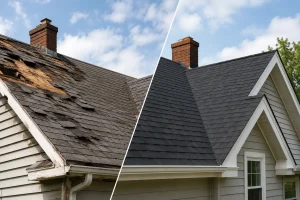
A roof repair focuses on fixing a specific issue without removing the entire roof. This may include replacing damaged tiles, sealing leaks, repairing flashing, or fixing isolated sections of flat roofing.
A roof replacement involves removing the existing roofing system and installing a completely new one. This is usually recommended when the roof has widespread damage or has reached the end of its lifespan.
Understanding the difference between roof repair and replacement helps avoid spending money on temporary fixes that may not last.
Why It Is Important to Act Early
Roof problems rarely improve on their own. Small leaks can quickly turn into major structural issues if left untreated.
Ignoring roof damage can lead to:
- Damp and mould inside the property
- Timber rot in the roof structure
- Insulation damage
- Higher energy bills
- Interior ceiling and wall damage
- Increased repair costs later
The earlier a roofing issue is identified, the easier and more affordable it usually is to fix.
Common Signs Your Roof Needs Attention
Knowing the signs you need a new roof or repair work can help prevent expensive problems later.
Signs a Roof Repair May Be Enough
In many cases, repairing a damaged roof is the most sensible and cost-effective option.
You may only need repairs if:
- A few tiles or slates are cracked or missing”
- There is one isolated leak
- Flashing around chimneys or vents is damaged
- Guttering is overflowing due to minor blockages
- Storm damage is limited to one area
- The roof is still relatively new
For example, if heavy wind dislodges a few tiles after a storm but the rest of the roof remains in good condition, targeted repairs are often enough.
Regular roof inspections and ongoing roof maintenance services can also help catch these smaller issues before they spread.
Signs You Need a New Roof
Sometimes repairs only delay a larger problem. A full replacement may be the better long-term solution if you notice:
- Multiple leaks across the roof
- Sagging areas or uneven roof lines
- Frequent repair call-outs
- Widespread moss and water damage
- Visible daylight in the loft
- Roof materials that are deteriorating across large areas
- A roof nearing the end of its expected lifespan
If your roof has ongoing issues and repair costs keep increasing, replacement often becomes more economical over time.
How Long Does a Roof Last?
One of the biggest factors in deciding between roof repair and replacement is age.
Different roofing materials have different lifespans:
| Roofing Material | Average Lifespan |
| Felt roofing | 10–20 years |
| Asphalt roofing | 15–25 years |
| GRP fibreglass roofing | 20–30 years |
| Single ply roofing | 20–30 years |
| Slate roofing | 50–100+ years |
| Lead roofing | 50+ years |
If your roof is approaching the upper end of its lifespan, investing heavily in repairs may not be worthwhile.
If you have an older flat roof, it may help to explore modern systems such as GRP roofing or single ply roofing, which offer improved durability and weather protection.
Roof Repair vs Replacement Cost
Cost is often the main concern for homeowners deciding between repair and replacement.
Typical Roof Repair Costs
Roof repair costs vary depending on the issue, roof type, and accessibility.
Average repair costs may include:
| Repair Type | Estimated Cost |
| Replacing broken tiles | £150–£400 |
| Minor leak repairs | £200–£500 |
| Flashing repairs | £250–£750 |
| Flat roof patch repairs | £300–£900 |
| Gutter repairs | £100–£350 |
Smaller repairs are usually completed quickly and cause minimal disruption.
If the issue involves drainage problems, repairing or upgrading your guttering system may prevent further water damage.
Typical Roof Replacement Costs
A complete roof replacement is a larger investment but can provide long-term savings.
Estimated costs may include:
| Roof Type | Estimated Replacement Cost |
| Small flat roof | £2,500–£5,000 |
| Standard tiled roof | £5,000–£12,000 |
| Slate roof replacement | £8,000–£20,000+ |
| Large detached property | £12,000+ |
Prices depend on roof size, material choice, access requirements, and whether structural work is needed.
Although the upfront cost is higher, replacement removes ongoing repair concerns and usually includes improved weather protection and longer warranties.
When Roof Repairs Make Sense
Repairing a damaged roof is often the best choice when the problem is isolated, and the roof still has many years of life remaining.
Repairs are ideal when:
- Damage is minor
- The roof structure remains sound
- Repairs are infrequent
- You need a faster and lower-cost solution
- The roof is under 15 years old
For example, replacing a small damaged section of slate roofing after storm damage is usually far more practical than replacing the entire roof.
When Roof Replacement Is the Better Investment
A replacement often becomes the smarter decision when repairs become repetitive or underlying issues continue to spread.
A new roof may be the better option if:
- Repairs no longer solve the issue
- Water damage has reached structural areas
- The roof fails regular inspections
- Energy efficiency has declined
- You plan to stay in the property long term
- You want to improve property value
Modern roofing systems also offer improved insulation and ventilation, which can help reduce energy costs.
A Simple Roof Repair Guide for Homeowners
If you suspect roof damage, taking the right steps early can help minimise costs.
Step 1: Look for Visible Signs
Check for missing tiles, leaks, damp patches, blocked gutters, or sagging roof areas.
Step 2: Arrange a Professional Inspection
Some roofing problems are hidden beneath the surface. A professional inspection identifies the true extent of the damage safely.
Step 3: Compare Repair and Replacement Costs
Do not only focus on short-term savings. Consider how long the repair is likely to last.
Step 4: Think About Long-Term Value
A cheaper repair today may lead to repeated problems later. Sometimes replacement offers better value over several years.
Step 5: Choose Quality Materials and Workmanship
Good installation matters just as much as the roofing material itself.
Roof Replacement Benefits
While replacement costs more initially, it comes with several long-term advantages.
Better Protection
A new roof provides full protection against leaks, weather damage, and structural issues.
Improved Energy Efficiency
Modern roofing materials and insulation help reduce heat loss.
Increased Property Value
A new roof can improve kerb appeal and make a property more attractive to buyers.
Reduced Maintenance
New systems require fewer repairs and less ongoing upkeep.
Longer Guarantees
Most new roofing systems include warranties for added peace of mind.
Common Mistakes Homeowners Make
Many roofing problems become worse because of delayed decisions or poor repairs.
Here are some common mistakes to avoid:
Ignoring Small Leaks
Even a small leak can lead to hidden water damage inside the roof structure.
Choosing the Cheapest Quote
Low-cost work often results in poor workmanship and repeat repairs.
Delaying Inspections
Waiting too long can turn minor issues into major structural problems.
Repeated Temporary Repairs
Constant patch repairs can eventually cost more than replacing the roof properly.
Attempting DIY Roofing Work
Roofing work can be dangerous, and incorrect repairs may make the issue worse.
Roof Repair vs Replacement: Which Is Right for You?
There is no single answer that works for every property.
If your roof is relatively modern and the damage is isolated, repairs are usually the most practical choice.
If the roof is older, leaking repeatedly, or showing widespread wear, replacement often provides better long-term value and reliability.
The key is getting honest professional advice based on the actual condition of the roof rather than guessing from visible damage alone.
Speak to 1st Roofing Specialists
At 1st Roofing Specialists, we help homeowners make the right decision with honest roofing advice and high-quality workmanship. Whether you need a minor repair, ongoing roof maintenance, or a complete roof replacement, we provide reliable solutions tailored to your property.
We work across flat roofing, slate roofing, lead roofing, guttering, and full roof replacement projects using durable materials designed to last. If you are unsure whether your roof needs repair or replacement, our team can carry out a professional inspection and explain your options clearly without pressure.
Contact us today to arrange a free roof inspection and quotation.